21 - 25th, September 2026
Elisabethstraße 59/III, 8010 Graz, Austria
Department of Digital Humanities
CLARIAH-AT and DARIAH-EU Summer School
Machine Learning for Digital Scholarly Editions
September 21-25, 2026
Call for Applications
Abstract
Machine learning is increasingly shaping research in the Digital Humanities, offering powerful tools for analyzing and enriching textual data. In this summer school, participants will use the Python library BERTopic to explore various steps of topic modeling. Building upon BERTopic’s modular architecture, students will be introduced to essential machine learning techniques, such as embedding, dimensionality reduction, and clustering. Through practical sessions using historical texts, students will learn to apply, interpret, and critically assess these techniques. The aim is to give non-experts a high-level practical overview of how to use the BERTopic library and the essential theory behind its modules. The school is intended for both students and researchers with an interest in the intersection between digital scholarly editing and Machine Learning. After attending the school, participants will have a basic understanding of machine learning algorithms and be able to assess their possible applications as well as strengths and limitations. Participants will be able to practically use BERTopic on their own data.
Funding, Organizers and Hosting Institution
This one-week school is generously funded by CLARIAH-AT and the Univerisity of Graz. It will be hosted by the Department of Digital Humanities of the University of Graz in collaboration with the Institute for Documentology and Scholarly Editing (IDE).
Requirements
A basic understanding of digital editions, the Text Encoding Initiative (TEI), and Python programming is expected for participation. Participants will work with Jupyter Notebooks, Google Colab and GitHub.
Fees
There are no fees for the summer school. However, participants must arrange and cover the costs of their travel, accommodation, and meals.
Application
The school is limited to 24 participants. If you are interested in participating, please submit a letter of application including a short CV (max 2 pages) to Roman Bleier (roman.bleier@uni-graz.at) and Martina Scholger (martina.scholger@uni-graz.at). The deadline for submissions is 15 May 2026. The summer school committee will evaluate each application and select participants by 31 May 2026.
About the Summer School
Machine learning is increasingly shaping research in the Digital Humanities, offering powerful tools for analyzing and enriching textual data. Using the Python library BERTopic, participants will explore various steps of topic modeling. Building upon BERTopic’s modular architecture, students will be introduced to several essential machine learning methods, such as embedding, dimensionality reduction, and clustering. Through practical sessions, students will learn to apply these techniques to historical texts. The aim is to give non-experts a high-level practical overview of how to use the BERTopic library and the essential theory behind its modules.
The school is intended for both students and researchers with an interest in the intersection between digital scholarly editing and Machine Learning. After attending the school, participants will have a basic understanding of machine learning algorithms and be able to assess their possible applications as well as strengths and limitations. Participants will be able to practically use BERTopic on their own data.
Meet the Speakers
Federico Boschetti
Federico Boschetti is senior researcher at CNR-ILC “A. Zampolli” and coordinator of CoPhiLab. He collaborates with the Venice Centre for Digital and Public Humanities at Ca’ Foscari and co-directs CLARIN’s Digital and Public Textual Scholarship Knowledge Centre with Franz Fischer. His work spans digital and computational philology, scholarly editing, TEI/EpiDoc, OCR/HTR, and domain-specific languages, combining classical scholarship, formal methods, and AI-assisted workflows across digital humanities projects.
Keynote: Thursday, September 24, 6pm (CEST), Elisabethstraße 50b (SR 19.02).
Context Engineering for AI-assisted Digital Scholarly Editing: Workflows, Infrastructures, and Modal Logics from the Italian Research Landscape
This contribution offers a methodological reflection on context engineering applied to digital scholarly editing, drawing on experiences from the Italian research landscape: primarily CNR-ILC, CLARIN-IT, Ca' Foscari University of Venice, and the University of Pisa, with connections to the Universities of Catania and Naples Federico II, the Italian Institute of Germanic Studies (IISG, Rome), and others.
Context engineering denotes the systematic design of the informational environment where language models operate: sources, constraints, terminologies, standards, and tools that guide and delimit their contribution within controlled philological workflows.
Three levels are discussed. The first concerns workflows: documented pipelines from manuscript to edition (HTR/ATR, assisted correction, TEI encoding, collation), where AI assistance is restricted to verifiable tasks. The second concerns infrastructures: the role of CLARIN, DARIAH, E-RIHS, OPERAS, and knowledge centres, as providers of data, standards, and services constituting a shared, reusable context for these workflows. The third, more theoretical, proposes modal logics as a meta-level for making explicit the bouletic, epistemic, and doxastic attitudes — establishing, admitting, preferring, explaining, interpreting — of human editors and AI agents within textual communities.
The aim is to outline transferable, assessable practices consistent with established standards in digital philology.
Roman Bleier
Roman Bleier is a postdoctoral researcher at the Department of Digital Humanities at the University of Graz. His research focuses on digital scholarly editing, text encoding, and digital history. He was part of the editorial team for The Imperial Diets of 1576 and is currently co-PI of the FWF-DFG project History as a Visual Concept: Peter of Poitiers' "Compendium historiae". Roman is also a member of the Institute for Documentology and Scholarly Editing.
Lucija Brozić
Lucija Brozić is a PhD student and university assistant at the University of Graz, specializing in Digital Humanities and Natural Language Processing. Her doctoral research examines attitudes towards migration and minority groups in Austrian historical newspapers. She has led a CLARIAH-AT funded small project on sentiment annotation, developing annotation guidelines and training annotators. Her academic interests include machine learning for DH texts, topic-specific corpus building, annotation practices, sentiment analysis and migration studies.
Selina Galka
Selina Galka is a research assistant at the University of Graz at the Department of Digital Humanities. Her research focuses on digital editing and data modelling. After completing her master's degrees in “German Philology of the Middle Ages and Early Modern Period” and “Digital Humanities,” she is currently a PhD candidate in the field of digital humanities.
Michael Jantscher
Michael Jantscher is a PhD student in Computer Science at Graz University of Technology and a senior researcher at Know-Center Research GmbH. His work focuses on Natural Language Processing in the medical and clinical domain, with a particular emphasis on causal reasoning in healthcare and (neuro)radiology. Currently, he is also exploring the research and implementation of agentic AI systems across both industrial and healthcare sectors.
Christopher Pollin
Christopher Pollin holds a Ph.D. in Digital Humanities, is a trained historian, and co-founder and managing director of Digital Humanities Craft OG. After eight years at the Department of Digital Humanities at the University of Graz, he has been working as an independent researcher since 2025, focusing on digital humanities and generative AI. He co-organizes the DHd working group on generative AI and is a member of the Institute for Documentology and Scholarly Editing.
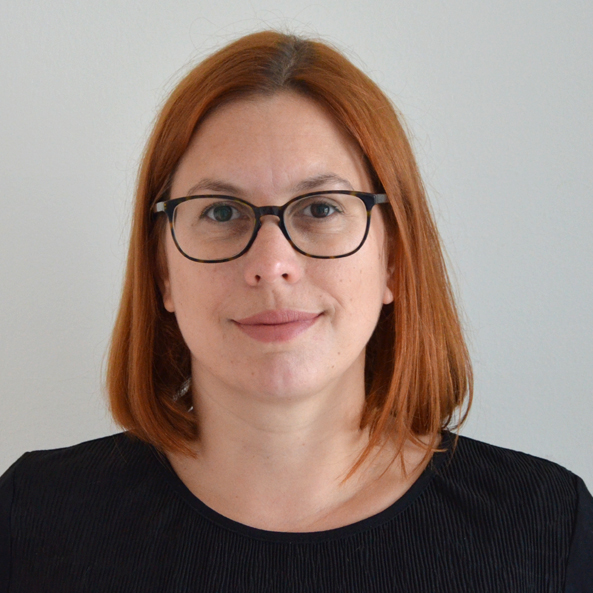
Martina Scholger
Martina Scholger is a senior scientist at the Department of Digital Humanities, University of Graz, where her research focuses on digital scholarly editing, text encoding, text mining, and LLM applications. She is co-PI of the FWF-DFG Early Manila Hokkien project and editor of the digital edition of Joseph von Hammer-Purgstall’s correspondence. She has been an elected member of the TEI Technical Council since 2016, a member of the Institute for Documentology and Scholarly Editing since 2012, and is managing editor of RIDE (Review Journal for Scholarly Digital Editions and Resources).
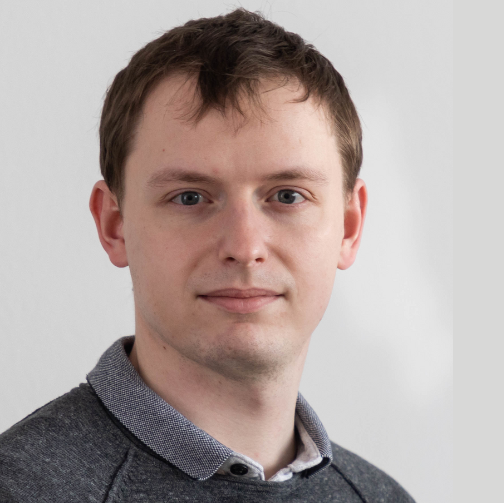
Max Toller
Max Toller is a post-doctoral researcher at Know Center GmbH and a lecturer at Graz University of Technology. His research focuses on data mining and machine learning for time series data, anomaly detection, and similar topics. He was a nominated finalist for the Prize for Excellence in Teaching at Graz University of Technology in 2024, and has received the 'Outstanding Reviewer' award for his services at the 2025 International Conference on Knowledge Discovery and Data Mining.
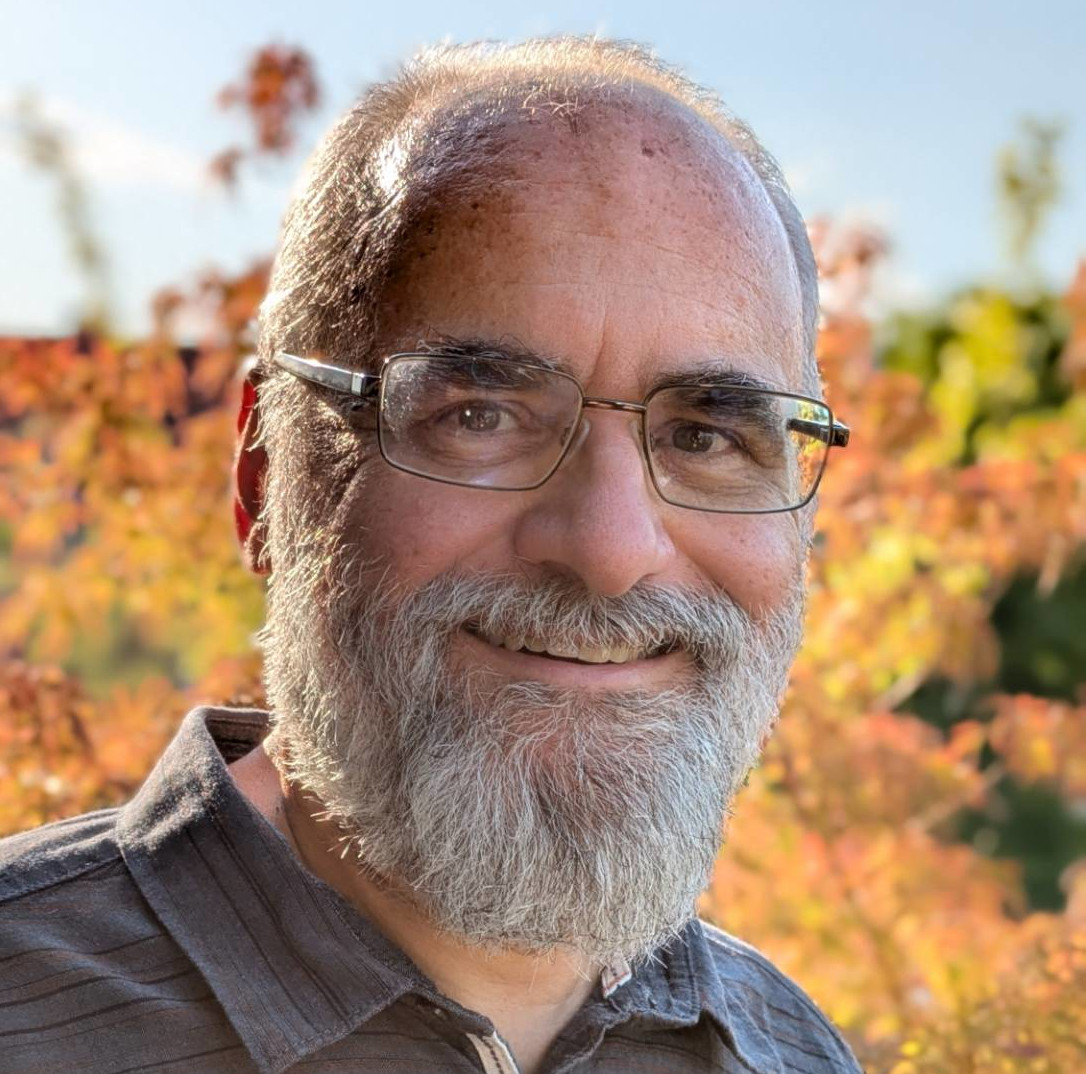
Gunter Vasold
Gunter Vasold is a research software engineer in the Department of Digital Humanities at Graz University. Thirty years ago, he began working on the pioneering and highly ambitious critical digital editions project, Fontes Civitates Ratisponensis. While he enjoyed working with medieval documents, he discovered an even greater passion for developing software for the project. Since then, he has been involved in numerous research and software initiatives. Currently, his primary focus is on software engineering, research infrastructures, and the long-term preservation of research data. Additionally, Gunter is an award-winning lecturer with over 25 years of experience.
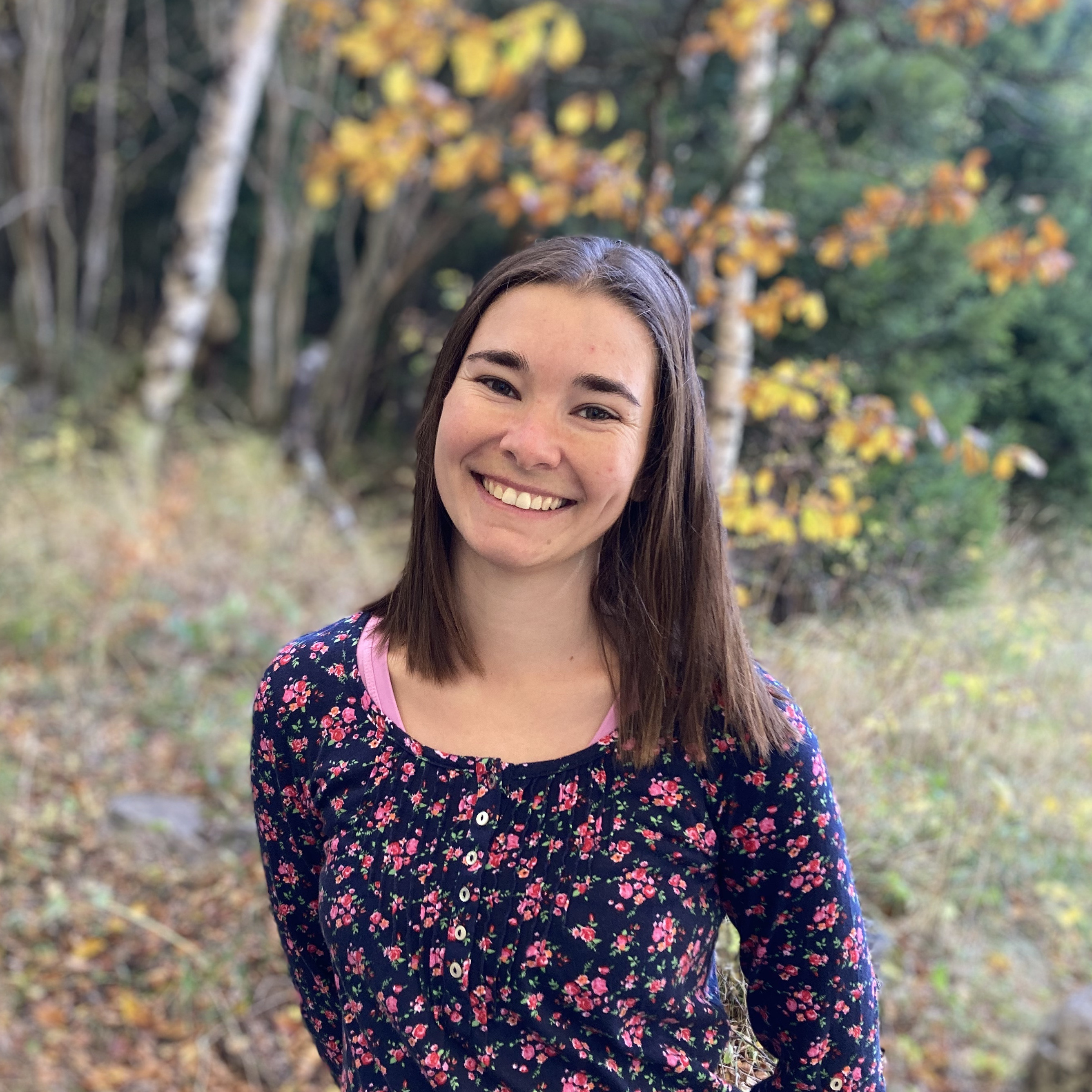
Klara Venglarova
Klara Venglarova is a PhD student of Linguistics and Digital Humanities at the Palacky University in Olomouc, Czech Republic. She is involved in the FWF-funded project The Making of the Incredibly Differentiated Labor Market: Evidence from Job Offers from Ten Decades at the University of Graz (PI Jörn Kleinert), specifically engaged in layout analysis, OCR, post-correction, information extraction and other NLP and machine-learning tasks.
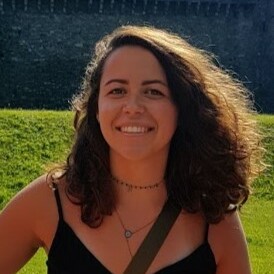
Fernanda Wolff
Fernanda Wolff is a historian specializing in Digital Humanities and the computer-assisted analysis of historical text corpora, particularly in the field of Greco-Roman Egypt. She currently works as a research associate at TELOTA at the Berlin-Brandenburg Academy of Sciences and Humanities, where she is involved in the development of research software and the editorial project Jean Paul – Sämtliche Briefe. She is also active within the Text+ (NFDI) initiative, where she focuses on issues related to the development of workflows for text-based research, interoperability, the reuse of research data, and the implementation of FAIR principles. She is also a member of the Institute for Documentology and Scholarly Editing.
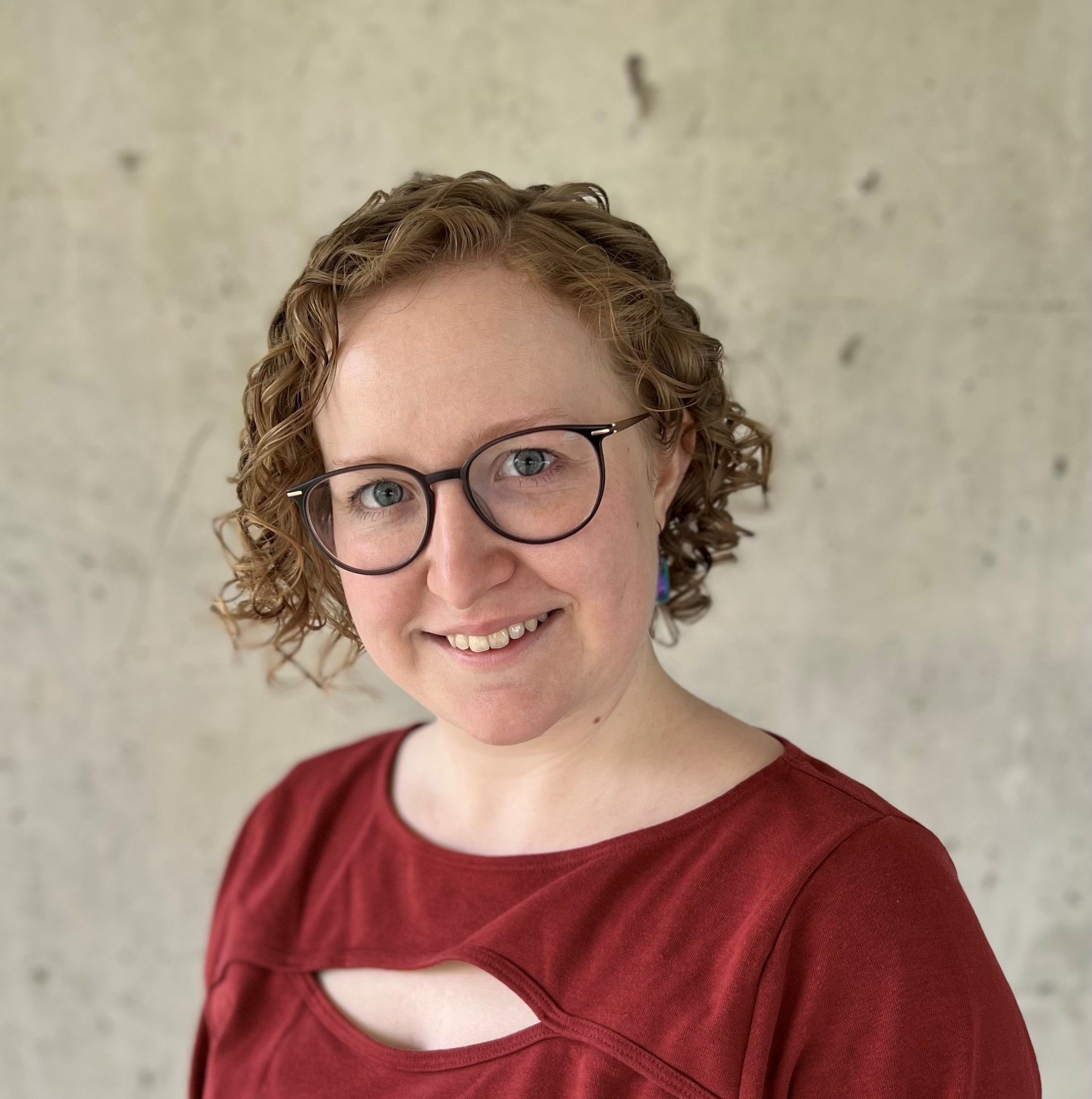
Elisabeth Raunig
Elisabeth Raunig works as a Project Manager at the Department of Digital Humanities at the University of Graz, where she is also part of the Summer School’s organising team. Having completed her Master’s in Digital Humanities there, she now contributes to project and event management.
Tentative Schedule
| Time | Monday (Sep 21) | Tuesday (Sep 22) | Wednesday (Sep 23) | Thursday (Sep 24) | Friday (Sep 25) |
|---|---|---|---|---|---|
| 8:30-9:00 |
Registration |
||||
| 9:00-10:30 |
Welcome and setup (Georg Vogeler, Walter Scholger) |
Embeddings |
Clustering |
Tokenization and weighting (Klara Venglarova) |
Integrating topic modeling results into digital editions |
| 10:30-11:00 |
Coffee break |
Coffee break |
Coffee break |
Coffee break |
Coffee break |
| 11:00-12:30 |
BERTopic: overview and example |
Dimensionality Reduction |
Clustering |
Built your BERTopic pipeline |
Knowledge, Context and Agentic Engineering for Research Data Workflows & Digital Editions |
| 12:30-13:30 |
Lunch |
Lunch |
Lunch |
Lunch |
|
| 13:30-15:00 |
Introduction to Python |
Build your BERTopic pipeline |
- |
Topic finetuning |
Machine learning and DSE |
| 15:00-15:30 |
Coffee break |
Coffee break |
Social Event |
Coffee break |
Goodbye coffee |
| 15:30-17:00 | Prepare a dataset |
Poster session (School participants) |
- |
Fine tuning and visualization exercise (Lucija Brozić, Martina Scholger, Fernanda Wolff) |
|
| 18:00 |
KeynoteFederico Boschetti Location: Elisabethstraße 50b (SR 19.02) |